
Mondays can feel like a reality check. Let’s dive into an article about AI videos and how they can be a powerful tool for promoting my sci-fi book.
The AI Revolution is Here, but it’s Still a Work in Progress
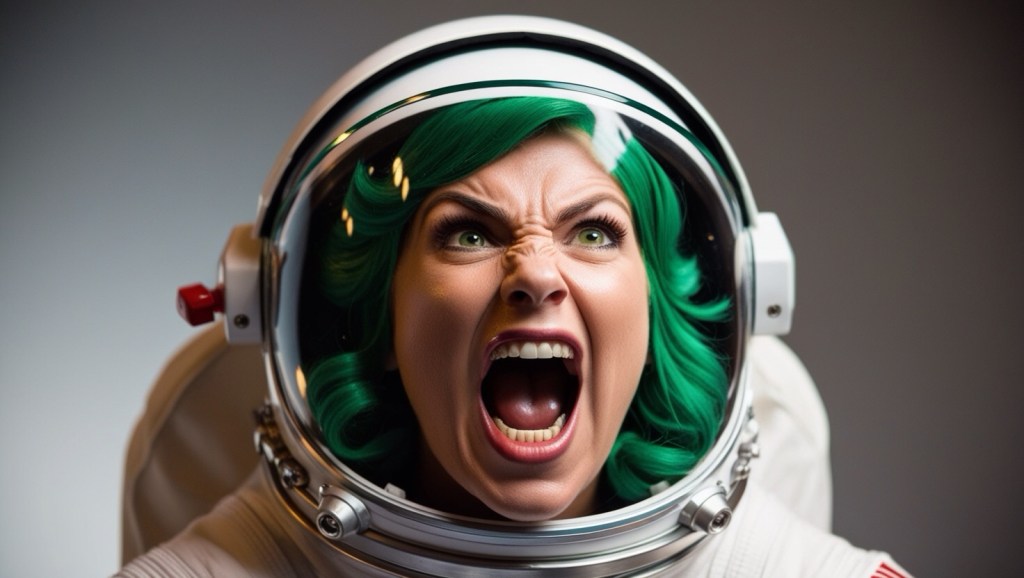
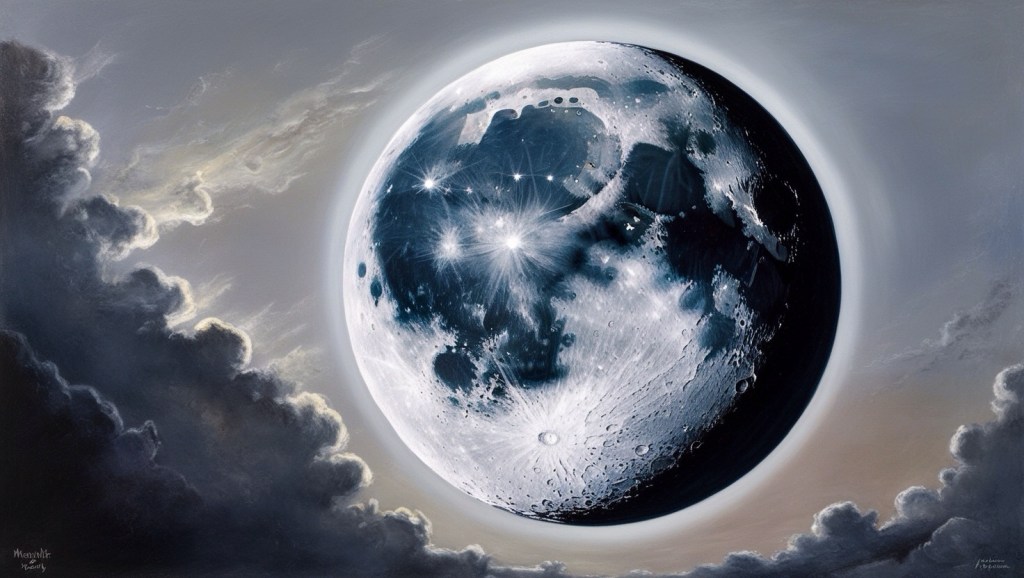
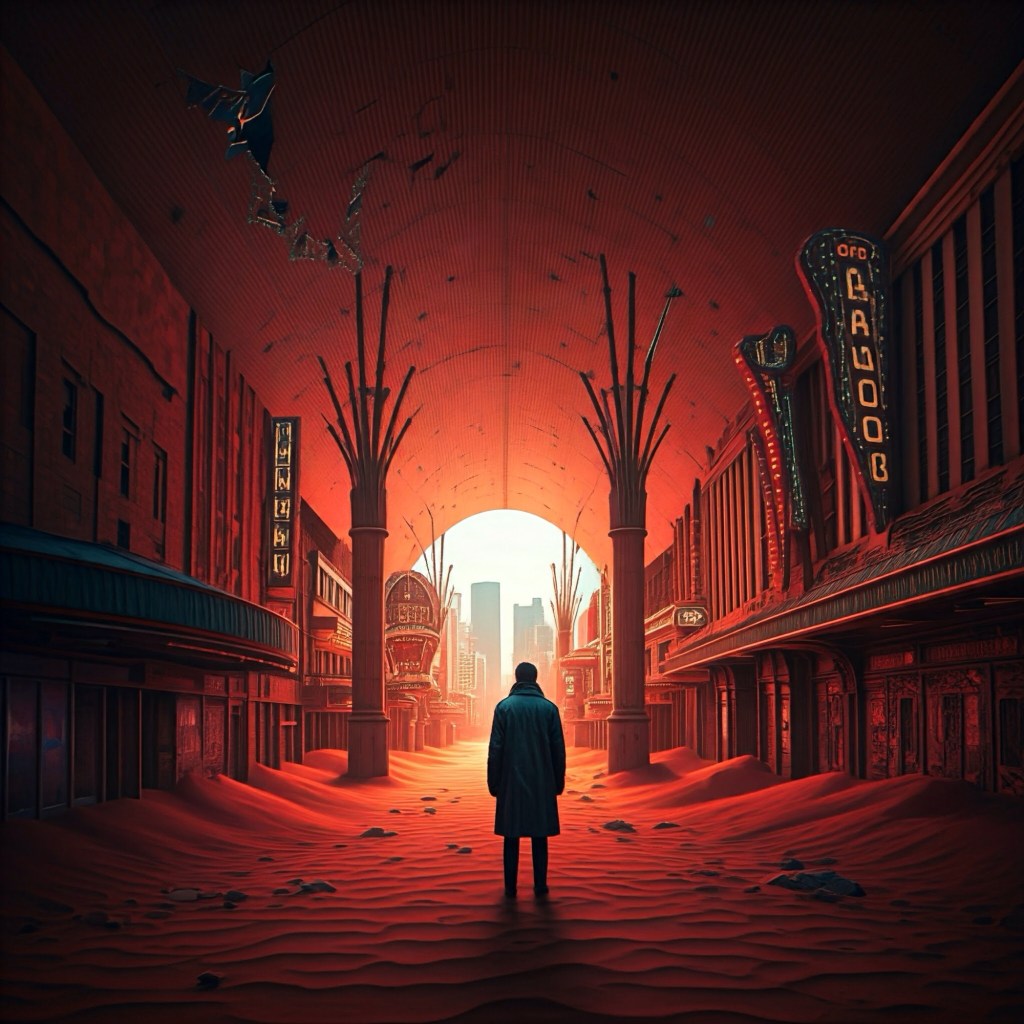
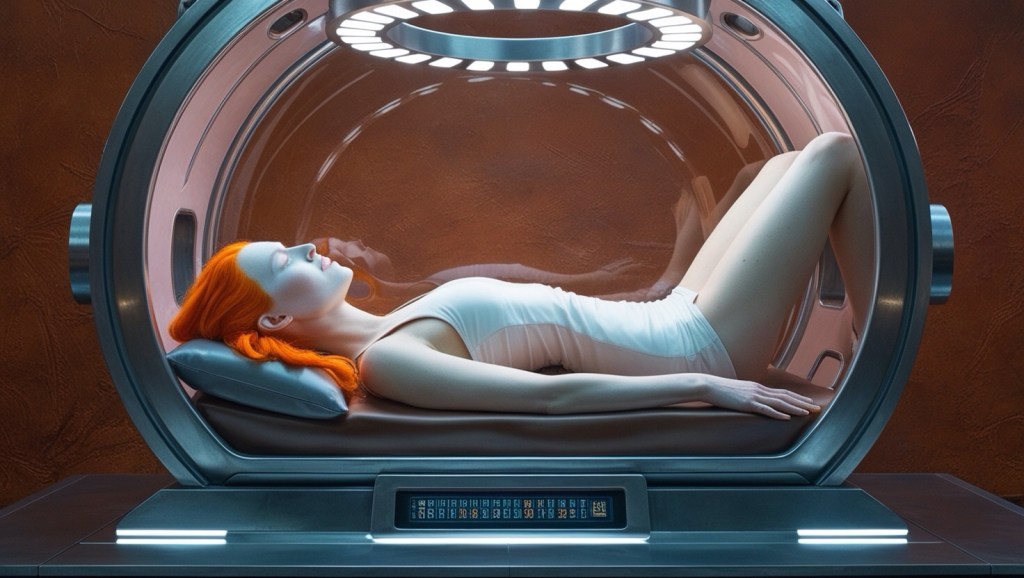
I’ve been diving headfirst into the world of AI, specifically using it to create movie trailers and short videos. It’s both thrilling and terrifying how realistic these AI creations can become. But let me tell you, it’s not always a smooth ride.
One thing I’ve learned is that clear and detailed descriptions are key. The more specific you are, the closer the AI will get to your vision. For example, imagine this:
• Prompt: A spaceship soaring through the Martian desert. Cinematic, macro shot, high-detail, dynamic movement, establishing shot, impending danger, sandstorm, peach light, movie still, Phantom high-speed camera, 16:9 aspect ratio, raw style.
Or this:
• Prompt: Three women in military gear sprinting down a dimly lit, industrial corridor. The leader, with dark hair and a determined look, wields a futuristic rifle. The other two, in matching blue uniforms, are also armed. The setting is metallic, with exposed pipes and reflective floors, creating a tense atmosphere.
With these detailed descriptions, the AI will create an image or video that closely matches your vision. But remember, it’s not always perfect. There can be glitches or distortions.
Comparing the AI Titans: Kling AI, Pika, and Haiper
I’ve been experimenting with three major AI platforms: Kling AI, Pika, and Haiper. Each has its own strengths and weaknesses.
• Kling AI: This tool is great for producing high-quality videos, but it can be a bit limited when it comes to customization. Plus they’re extremely slow in producing the image in motion. I usually wait up to 24 hours before it’s ready.
• Pika: Pika is more versatile, but it can sometimes struggle with complex prompts or realistic human features.
• Haiper: This platform is focused on creativity and shareability, but it’s still relatively new to the market. It has its share of glitches.
Unfortunately, none of the three AI platforms I’ve tried offer reliable customer support. If you have questions or encounter problems, you’ll likely be left on your own to figure them out.
There’s another AI platform I use, called Leonardo AI, that’s not quite on the same level as the ones I mentioned earlier. If you struggle to come up with descriptive text for your images, Leonardo AI can help. Just provide a photo or image, and it will generate detailed descriptions for you.
Each AI Platform hasn’t convinced me to buy into their membership, each ones has to improve before that happens.

The Future of AI
While these AI tools are impressive, they’re still evolving. I believe that in the near future, AI will create content that’s indistinguishable from human work. And who knows, maybe one of my AI-generated trailers will inspire a real movie.
My Goal: To use AI to promote my sci-fi horror book, Black Angels. With the right tools and a bit of creativity, I hope to create a compelling trailer that captures the essence of my story.
What are your thoughts on my latest movie trailer? Share your feedback in the comments. Please refrain from any offensive or disrespectful comments.
Copyright © 2024 Bari Marcus Anthony – All Rights Reserved


 Dreams and Reality
Leave a comment