

Rethinking Our Ancestors: A New Perspective on Ancient America.
The prevailing narrative about our ancestors in North and South America during the Ice Age is far from complete. Recent archaeological discoveries paint a picture of a much more advanced and sophisticated civilization than previously imagined.
Scientists know there were five life threatening Ice Ages throughout Earth’s history, with the last one known as the Holocene epoch 11,700 years ago. It was previously thought the Holocene event dictated the migration of humans into North America from Siberia to Alaska over the Bering Ice Bridge around 14,000 BCE. This may still hold true accounting for the indigenous people who settled throughout Canada and Alaska.
However, there’s now evidence of an advanced ancient race of people who were already living in Southern parts of today’s United States and as far reaching as the Antarctica. Evidence suggests that these ancient people coexisted with mammoths and giant sloths, long thought to be extinct.
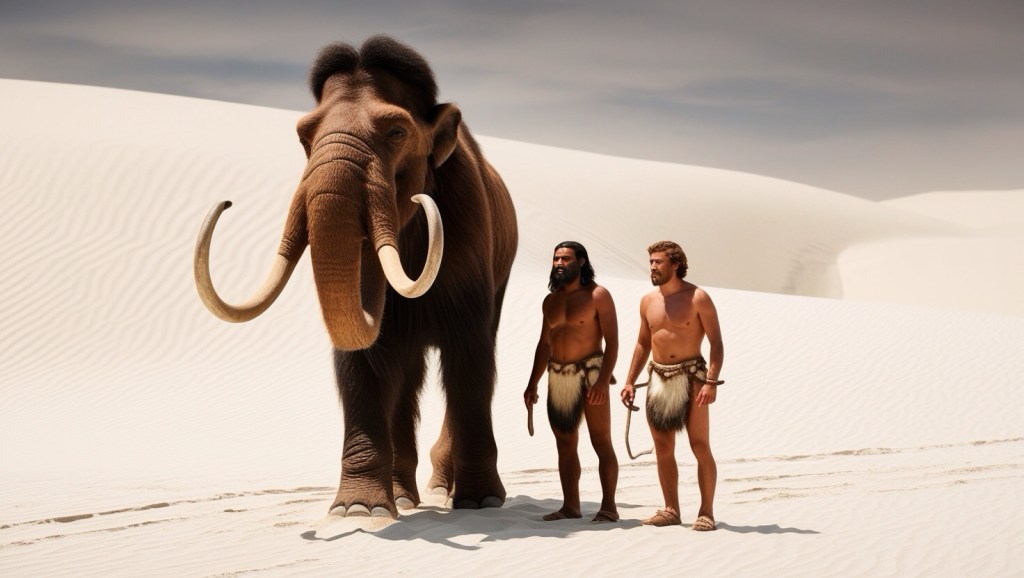
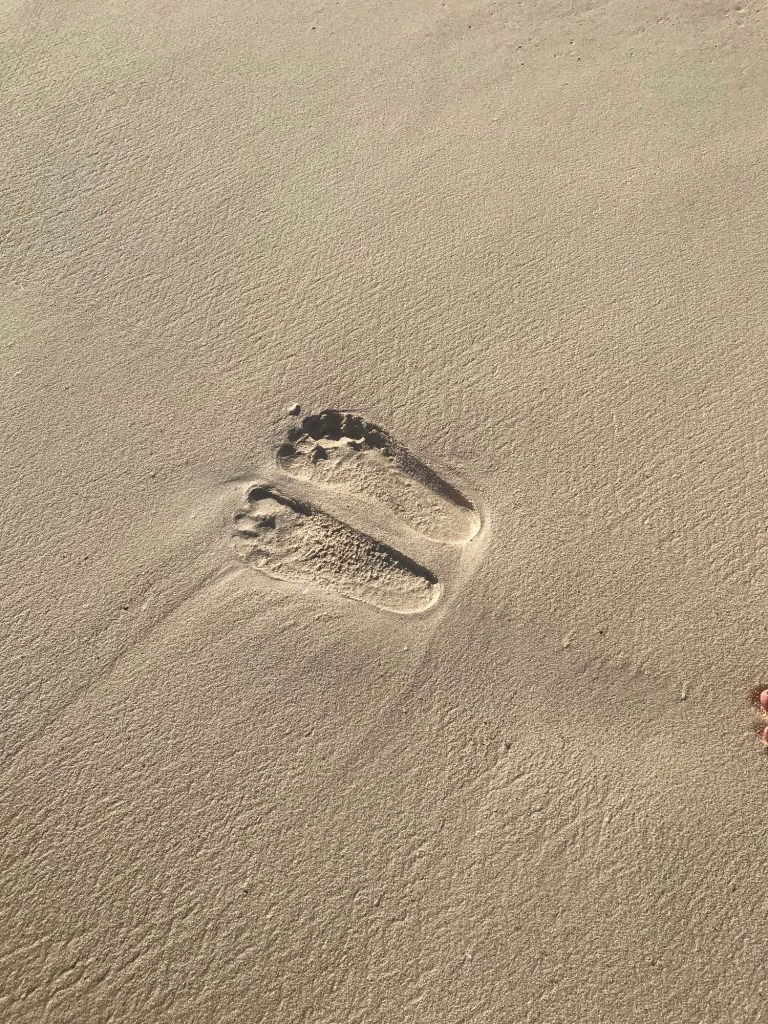
In White Sands, New Mexico, archaeologists have unearthed human footprints alongside those of mammoths dating back 30,000 years. Further south, in the Amazon rainforest, hidden beneath layers of dense vegetation, lie vast networks of ancient roads and architectural structures, demonstrating a sophisticated understanding of geometry and mathematics.
These discoveries challenge our understanding of the region’s geological landscape and the capabilities of its ancient inhabitants.
Furthermore, archaeological evidence from Antarctica suggests that the continent was not always a frozen wasteland. This indicates that Earth has experienced numerous climate changes throughout its history, and that these changes are not solely caused by human activity.
Media Bias and Climate Change Reporting
The media landscape has been significantly influenced by government funding, leading to concerns about objectivity and impartiality in reporting on climate change. Many argue that media outlets have become biased, prioritizing political agendas over scientific accuracy. This has eroded public trust in traditional news sources and made it challenging to obtain reliable information on critical issues like climate change.
To understand the complexities of climate change, it’s essential to approach the subject with a nonpartisan perspective. While some believe that climate change is primarily caused by human activities, scientific evidence suggests a more nuanced picture.
Here are the facts from a Geophysicist
“ As a geophysicist, I can confirm that climate change is real and has occurred throughout Earth’s history. However, the rate at which we are currently experiencing warming is unprecedented in recent geological history. This rapid change poses a significant threat to biodiversity and could lead to mass extinctions.
While it’s important to address climate change, it’s equally crucial to avoid alarmism and focus on practical solutions. Geoengineering techniques offer promising avenues for mitigating the effects of climate change while continuing to utilize fossil fuels.
Carbon Capture Storage is one such technique that involves capturing and storing carbon dioxide emissions underground. While some concerns have been raised about potential leaks, these risks are minimal due to the geological properties of the subsurface.
Other geoengineering solutions include space mirrors, artificial trees, and white surface conversions. These technologies have shown promise in reducing greenhouse gas emissions and mitigating the effects of climate change.
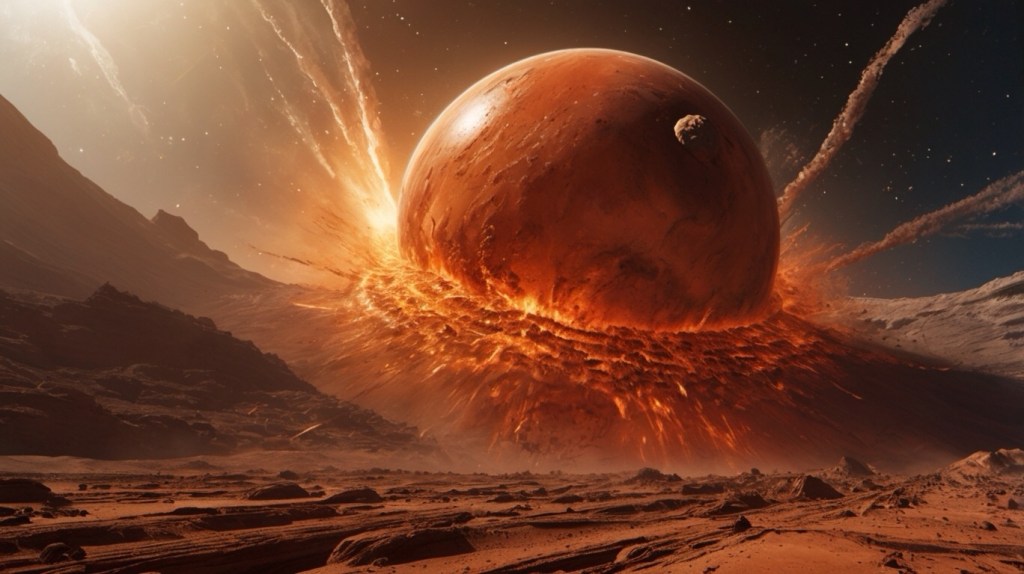
The Truth About Climate Change
In today’s media landscape, climate change reporting often lacks objectivity. It’s crucial to rely on scientific research rather than sensationalized news headlines.
Here are the key points to remember:
• Climate change is real. There’s overwhelming scientific evidence to support this fact.
• We are not facing an imminent catastrophe. While climate change poses significant challenges, drastic measures like completely abandoning fossil fuels are not necessary.
• The Earth’s climate has undergone natural fluctuations throughout its history, including periods of global warming and ice ages. This cyclical pattern is a normal part of the planet’s evolution.
• Geoengineering techniques offer solutions. Strategies like carbon capture storage can help mitigate the effects of climate change while continuing to utilize fossil fuels.
• Space exploration is essential. As Earth’s population grows and resources become scarce, exploring the cosmos becomes increasingly important for our future.
Don’t be swayed by biased media reporting. Seek out information from reputable scientific sources and conduct your own research.
Word of Caution : “ Don’t listen to the news, it’s designed to fit a certain agenda. Instead , research the science; google scholar is a god send. Make sure you’re reading articles from established institutions with well respected research scientists.” – Bertie James (geophysicist)
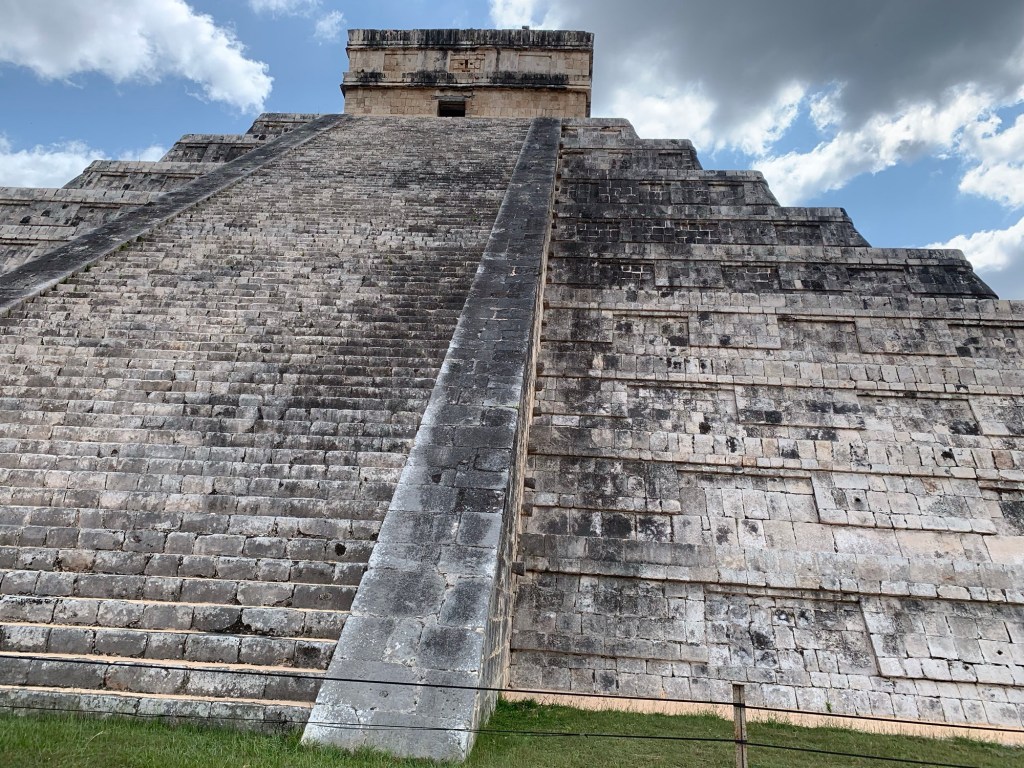
The Mayan People: A Civilization Ahead of Its Time
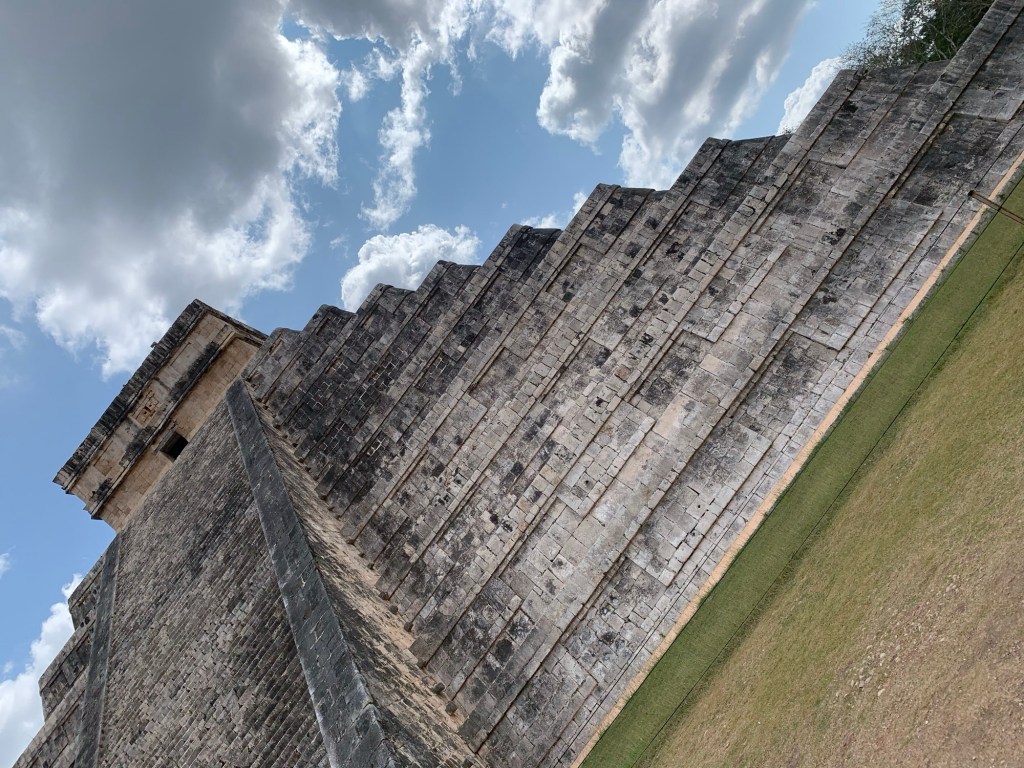
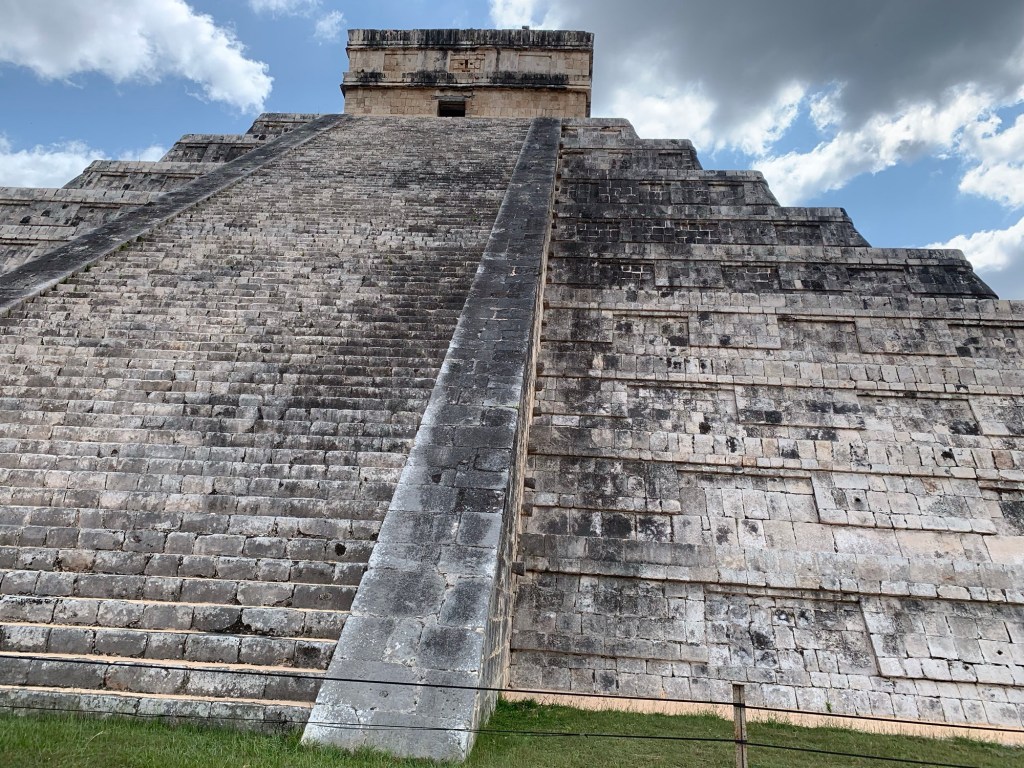
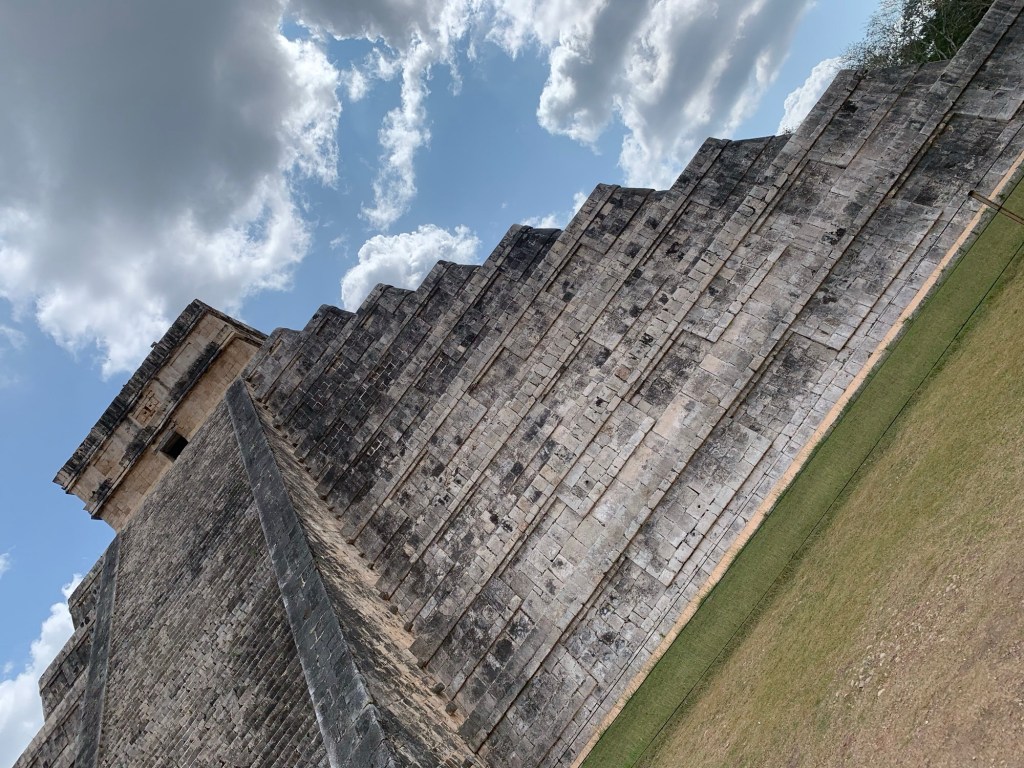
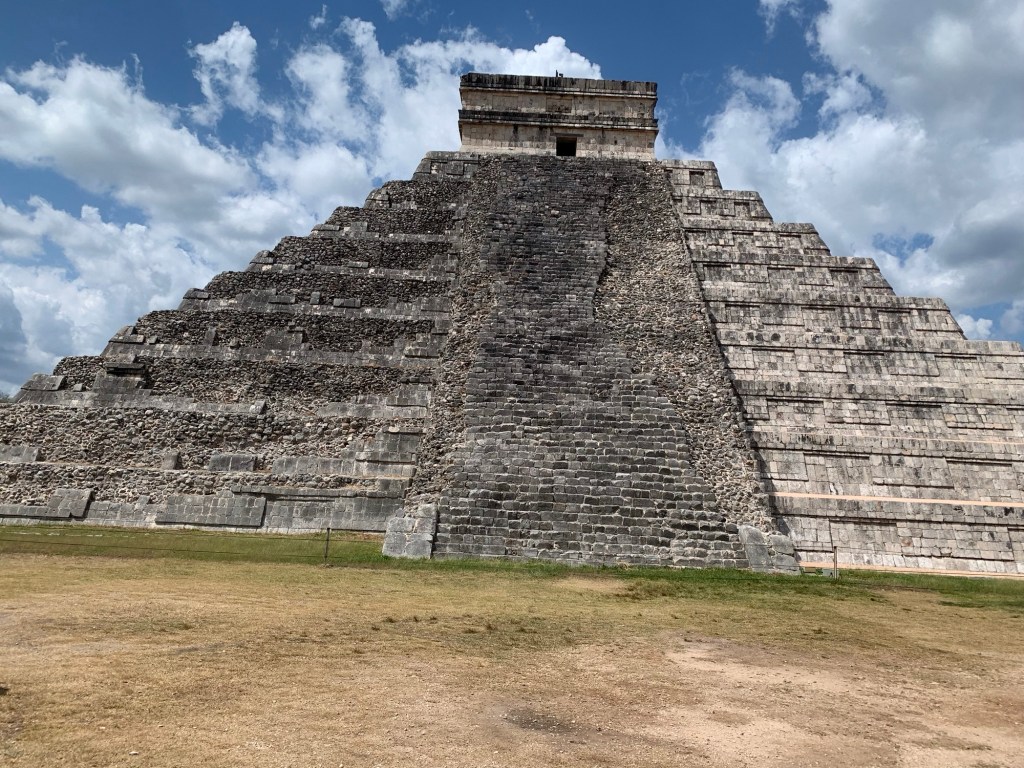
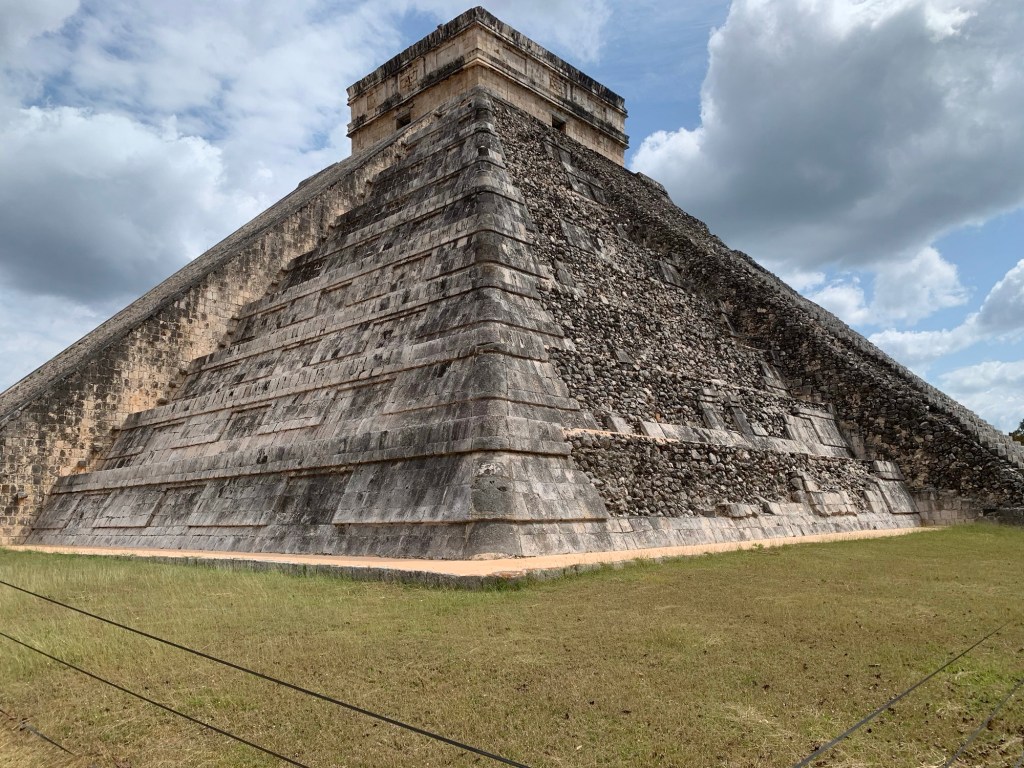
The Mayan civilization was a remarkable society with advanced architecture, including towering pyramids, and a complex calendar system that predicted changes based on time and astronomical events, such as the movements of Venus.
In 2012, there was much speculation about whether the end of the Mayan calendar coincided with the end of the world. While that particular prediction proved false, it’s intriguing to note the increase in natural disasters, such as hurricanes, wildfires, and flooding, since that year.
Could this be a coincidence, or were the Mayan people somehow able to foresee another stage in Earth’s evolutionary cycle, perhaps based on their observations of celestial bodies like Venus and its influence on seasonal patterns?
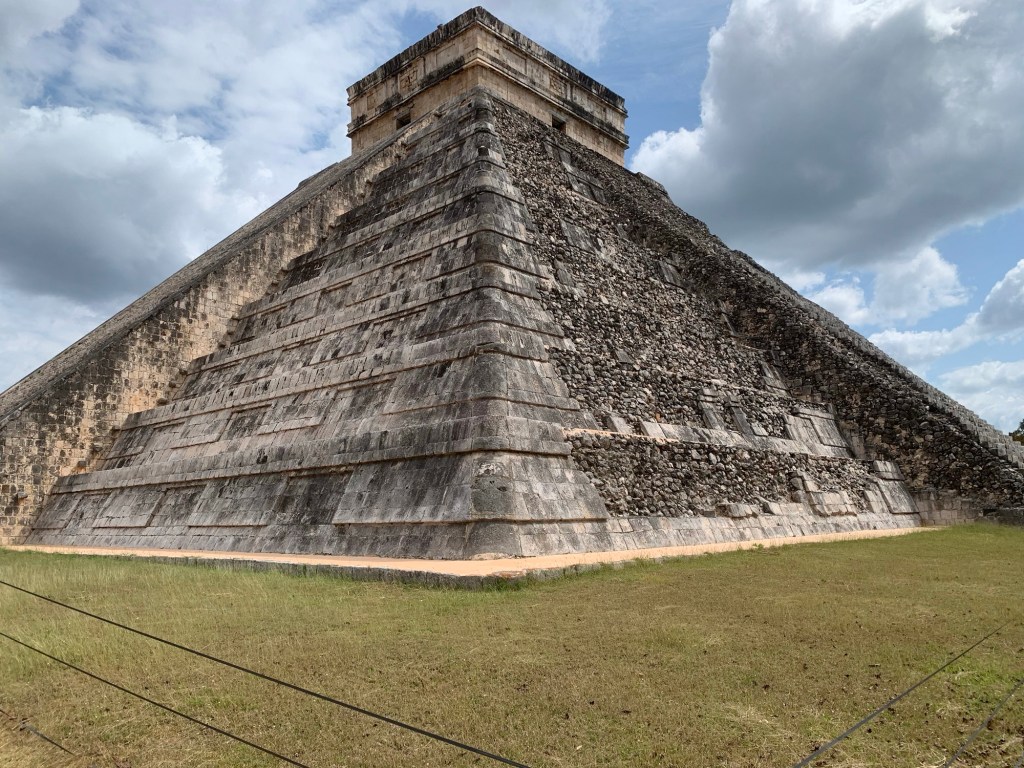
A Journey to Chichen Itza: A Marvel of Mayan Civilization
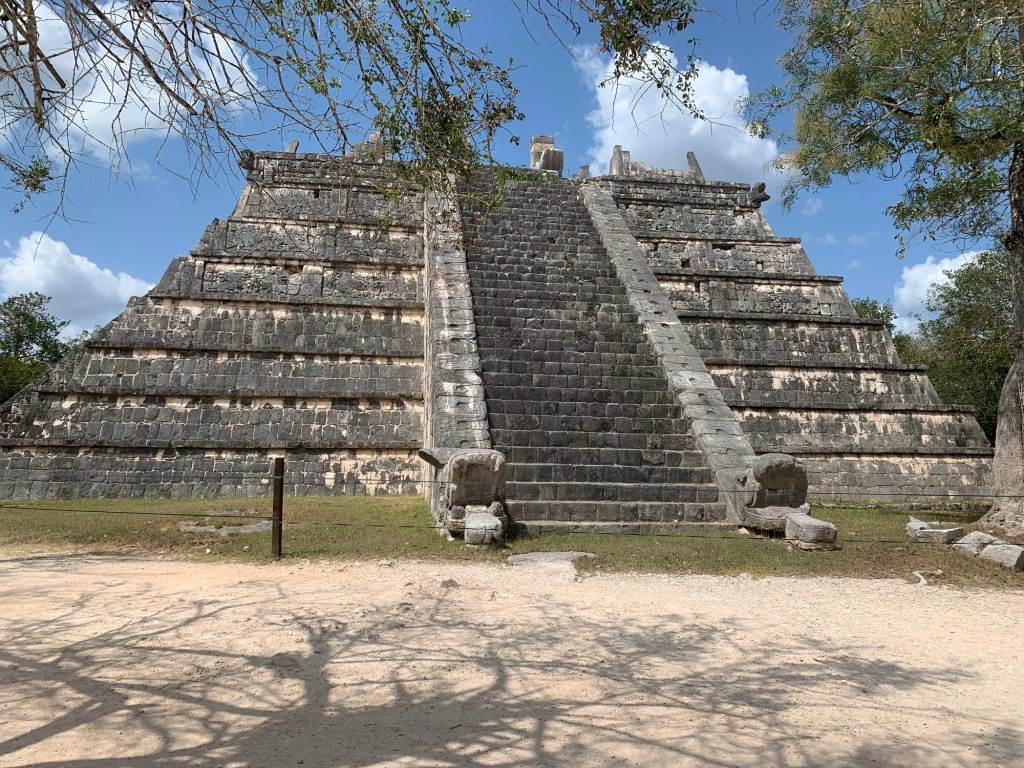
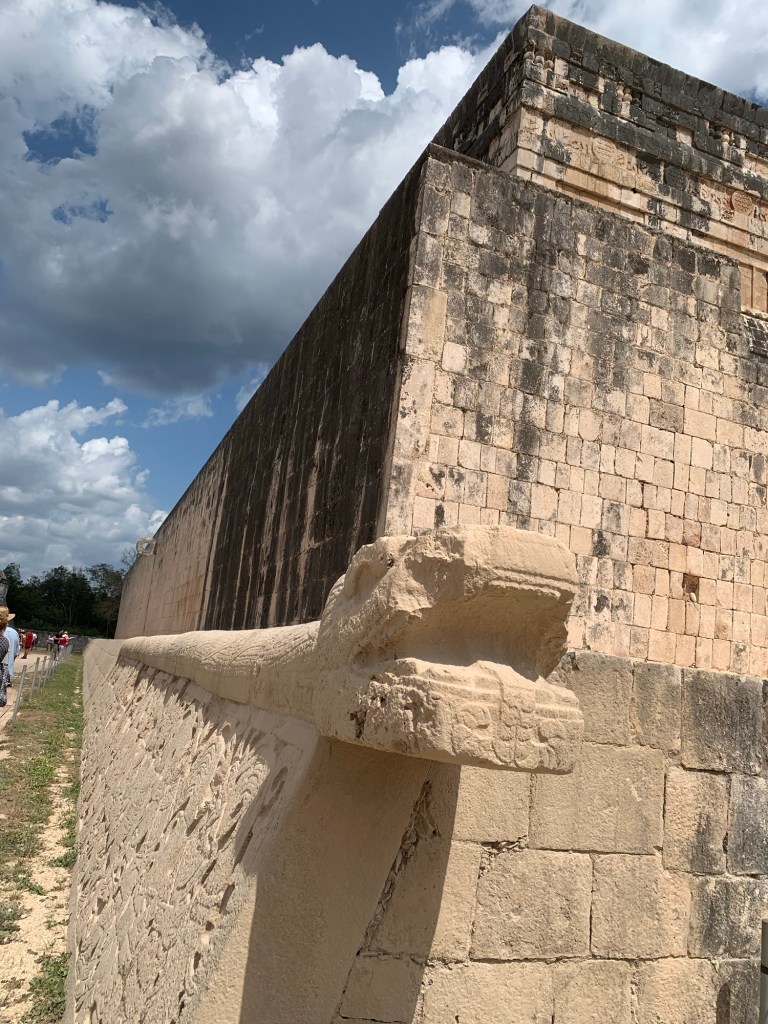
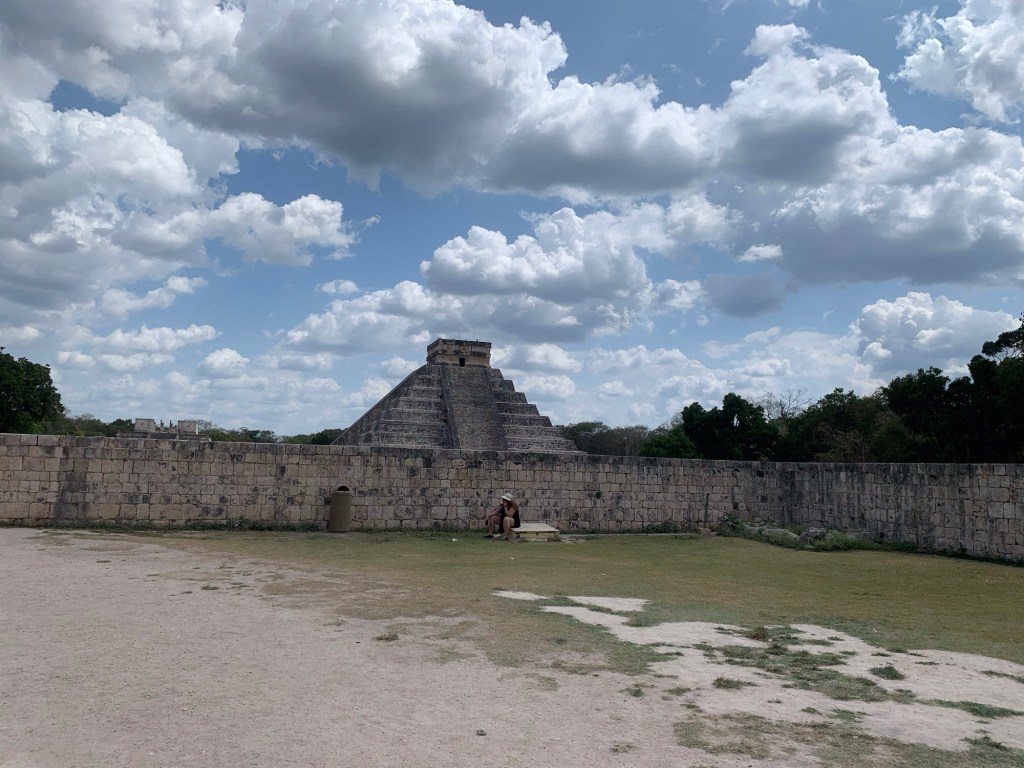
I recently had the incredible opportunity to visit Chichen Itza, a majestic ancient Mayan city located on the Yucatán Peninsula in Mexico. Constructed around the early 400s AD, Chichen Itza, which means “at the mouth of the well of the Itza” in Mayan, is a testament to the advanced engineering and architectural skills of this ancient civilization.
Despite the hot and humid conditions, our visit to Chichen Itza was well worth the $250 per person cost. The guided tours provided invaluable insights into the history and significance of this remarkable site, making it an unforgettable experience.
If you’re ever in Mexico, I highly recommend visiting Chichen Itza. It’s a must-see destination for anyone interested in history, culture, and the wonders of the ancient world.
Conclusion
First and foremost, the Ice Age secrets and Global warming isn’t new, we know of five different events during Earths evolution. We must also be aware that our ancestors didn’t all migrate via the Bering Ice Bridge. It’s clear , both North and South America were already occupied before and after the last Ice Age. That being said, A catastrophic event, possibly a bombardment of comets, occurred around 12,800 years ago, leading to a mass extinction and dramatic changes to Earth’s landscape and oceans. This event likely wiped out our advanced ancient ancestors, whose remnants are only now being uncovered by archaeologists.
The discoveries in North and South America challenge our traditional understanding of our ancient ancestors and the history of our planet. Evidence proves that humans were not supposed to be present in these regions during and after the Ice Age.
Archaeologists have uncovered a mere fraction of the hidden secrets buried beneath the surface of our planet. Their discoveries are like the tip of the iceberg, revealing a vast and unexplored world waiting to be discovered.
These groundbreaking discoveries offer a glimpse into a lost world and raise profound questions about the history of our species. By exploring these ancient civilizations, we can gain a deeper understanding of our origins and the challenges faced by our ancestors, rewriting history books.






 Dreams and Reality
Leave a comment